Unleashing the Power of Algorithmic Trading
Algorithmic trading continues to grow as a dominant force check here in financial markets. Fueled by sophisticated models, this automated approach leverages vast amounts of information to execute trades with precision. From high-frequency trading strategies to portfolio optimization solutions, algorithmic trading provides a wide range of opportunities for traders and investors of all capacities. Streamlining the trading process, algorithmic platforms can help minimize emotional influence, boosting overall profitability. As technology continues to progress, the potential of algorithmic trading is only beginning to be explored.
Automated Trading Strategies: A Deep Dive
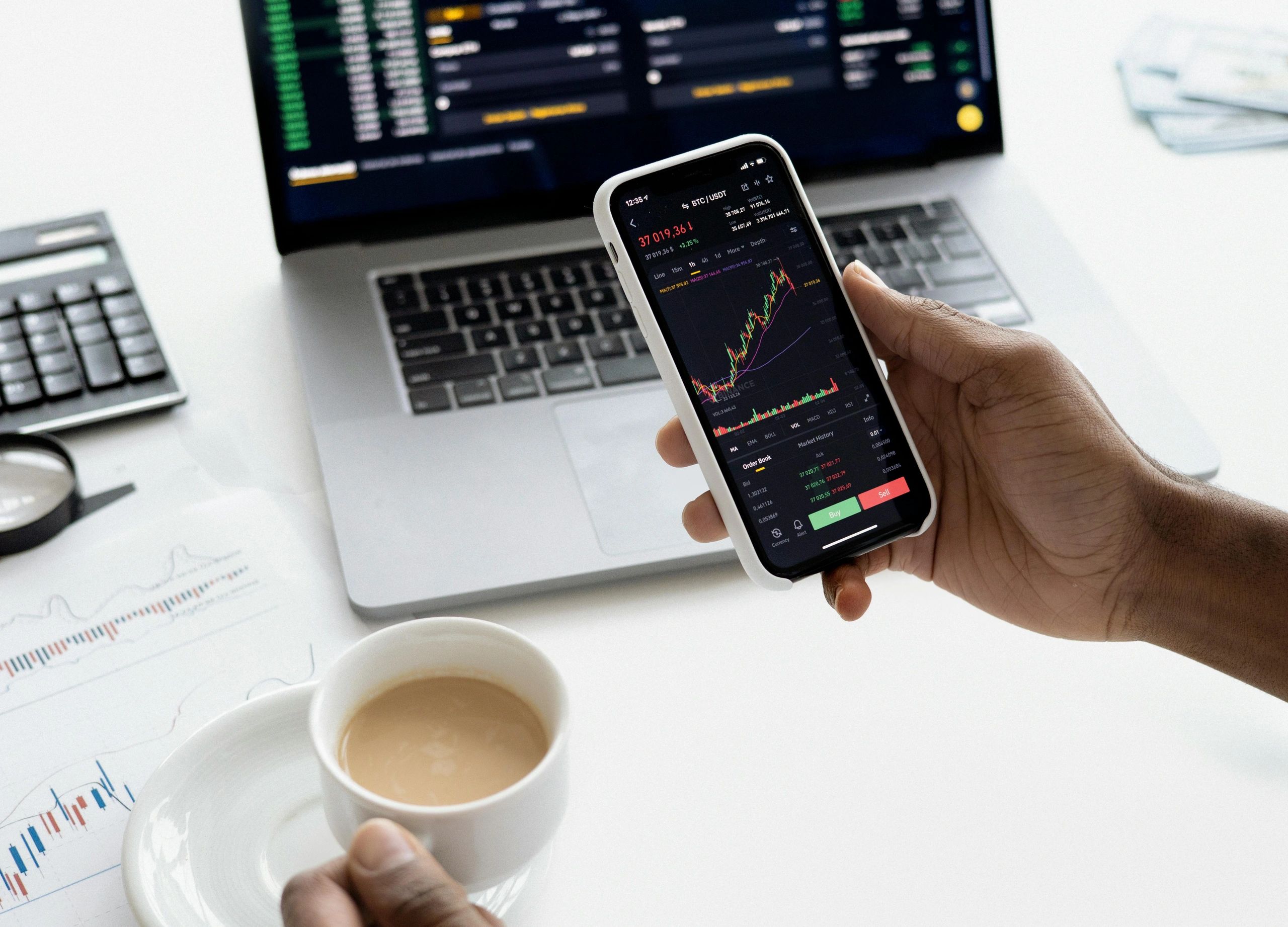
Automated trading strategies have become a popular method for investors seeking to enhance returns. These algorithms leverage computational models and algorithms to generate trades instantly based on pre-defined rules or market signals. By reducing emotional interference, automated strategies aim to boost trading performance.
- However, the complexity of these systems requires a in-depth understanding of financial markets, programming languages, and risk management techniques.
- Successful implementation requires meticulous strategy and ongoing analysis to respond to evolving market conditions.
This article delves into the nuances of automated trading strategies, investigating various approaches, their advantages, and the considerations involved.
Mastery over Automated Trading Platforms
Mastering automated trading platforms demands a deep understanding of both financial markets and the intricacies of programming. Successful algorithmic traders employ sophisticated strategies, constantly refining their models to adapt to the ever-changing market landscape.
Prioritizing a strong foundation in technical analysis and fundamental principles is crucial. You must understand concepts like order types, risk management, and market microstructure.
Furthermore, expertise with programming languages such as Python or C++ is critical. These languages provide the tools to build powerful trading bots capable of executing trades instantly based on pre-defined conditions.
A disciplined approach to testing and backtesting is imperative for ensuring the success of your automated trading strategies. Thorough testing within historical data allows you to analyze the performance of your algorithms and identify areas for improvement.
Continuous learning and adaptation are fundamental. The world of automated trading is constantly evolving, with new technologies and strategies emerging regularly. Remaining abreast of these advancements will enable you to remain competitive in this dynamic field.
Developing Profitable Algorithmic Trading Systems
Constructing a profitable algorithmic trading system requires a blend of technical expertise and a extensive understanding of financial markets. Traders must meticulously design approaches that can successfully identify opportunities in real-time, execute trades with accuracy, and mitigate risk.
- Backtesting
- Statistical analysis
- Machine learning algorithms
Automated Strategies for Market Dominance
Achieving market dominance in today's rapidly evolving landscape necessitates a strategic and proactive approach. Exploiting the power of automation can provide businesses with a significant advantage. By integrating automated tactics, companies can optimize key operational processes and gain a sustainable advantage over their rivals.
The cornerstone of successful automation involves data-driven insights. By acquiring vast amounts of data and interpreting it in real time, businesses can uncover valuable patterns and make intelligent decisions that drive growth.
Furthermore, automation facilitates businesses to grow their operations efficiently. Through robotization of tasks such as customer service, marketing, and order fulfillment, companies can minimize manual involvement and free up resources to more value-added initiatives.
Such data-driven insights and operational optimizations allow businesses to customize the customer experience, build stronger relationships, and ultimately drive revenue growth.
The Science of Algorithmic Trading
Algorithmic trading employs complex analytical models to execute transactions in financial markets. These algorithms, often driven by vast datasets and sophisticated software, aim to optimize returns while minimizing risk. The science behind algorithmic trading encompasses a wide range of disciplines, such as computer science, harnessing the strength of artificial intelligence to identify trends.
Traders increasingly turn to algorithmic trading strategies to obtain a strategic edge in the fast-paced world of financial markets. The continuous evolution of algorithms and trading technologies is driving the future of algorithmic trading, presenting both challenges.
Programmed Trading Demystified
Automated trading, commonly called algorithmic or programmed trading, can seem like a complex and opaque world. In essence, it involves using computer programs to execute trades instantly based on pre-defined parameters. These algorithms analyze market trends, identify signals, and then place orders with minimal human influence. While it might sound advanced, the core principle is surprisingly basic: leveraging technology to optimize trading performance.
- Numerous factors influence the creation of these algorithms, including market volatility, trading volume, and individual investor strategies.
- Despite its potential benefits, automated trading also comes with challenges. It's crucial to understand the nuances involved and utilize these systems thoughtfully.
- Ultimately, automated trading can be a effective tool for investors, but it requires knowledge and a structured approach.
Automating Trading: A Journey from Concept to Reality
The realm of automated trading has captivated financial enthusiasts for years. What was once a theoretical concept, confined to research papers and academic discussions, is now a tangible reality. This transformation has been fueled by advances in algorithmic power, enabling sophisticated financial algorithms to execute trades with efficiency. However, the journey from theory to practice can be demanding, requiring a deep understanding of both financial markets and programming fundamentals.
- Effective automated trading strategies often involve a combination of statistical analysis, risk management techniques, and a sound understanding of market behavior.
- Financial Professionals venturing into the world of automated trading must carefully consider their aspirations, risk tolerance, and available resources.
- Platforms designed for automated trading provide a range of features to customize strategies and monitor performance.
Despite the potential rewards, it's crucial to approach automated trading with caution. Thorough testing, ongoing monitoring, and a willingness to adapt strategies are essential for navigating the ever-changing landscape of financial markets.
Automated Trading: A Comprehensive Guide
Delving into the realm of algorithmic trading can seem intimidating. However, with a systematic approach and comprehensible guidance, you can navigate this exciting world. This step-by-step guide aims to illuminate the process of algorithmic trading, enabling you to understand the fundamentals and venture your journey.
- First, it's crucial to define your investment goals. What are you aiming to attain? Significant returns? Exposure management?
- Subsequently, familiarize yourself with the numerous trading strategies. Explore technical analysis and pinpoint those that align with your goals.
- Furthermore, choose a suitable framework. Analyze different options to find one that satisfies your needs in terms of features, reliability, and cost.
- Ultimately, develop your algorithm. This involves coding, backtesting, and optimization. Remember to always track its efficacy and modify it as needed.
Automated Trading: Leveraging Automation
Within the dynamic realm of finance, quantitative trading has emerged as a transformative force. By utilizing the power of automation, this data-driven approach enables traders to execute complex strategies with unparalleled speed and precision. Quantitative analysts design sophisticated algorithms that interpret vast pools of market data, identifying patterns that may not be readily visible to human traders. These algorithms then generate trades automatically, minimizing emotional bias and maximizing profitability. The widespread adoption of automation has disrupted the trading landscape, empowering firms to navigate market complexities with greater agility.
Rapid Trading with Algorithms
High-frequency trading utilizes complex algorithms to execute a vast quantity of trades consistently within milliseconds. These algorithms analyze market data quickly, identifying fleeting price shifts. This responsive approach aims to profit from these minute price differences before they vanish. While debated, high-frequency trading influences the market's efficiency by providing constant offering activity.
Evaluating Automated Trading Strategies
Before deploying an automated trading strategy into the live market, it's crucial to rigorously test its performance through backtesting. Backtesting involves recreating historical market data against your strategy to observe its results. This technique allows you to identify potential strengths and weaknesses before risking real capital. By analyzing backtesting results, traders can fine-tune their strategies, minimizing the risk of losses in live trading.
Successful backtesting requires thorough selection of historical data relevant to your approach. It's also important to account for transaction costs and slippage, as these can substantially impact performance.
- Moreover, it's essential to conduct multiple backtests with different market conditions to gauge the robustness of your strategy.
- Ultimately, backtesting should be an iterative process that involves continuous analysis and modification based on the results obtained.
Strategies for Automated Trading Risk
Automated trading presents a compelling opportunity in investors seeking to enhance returns and streamline their trading activities. , Despite this allure, the inherent complexity of financial markets necessitates robust risk management strategies to mitigate potential losses. Successful risk management requires a multi-faceted approach that encompasses varied techniques.
- Market analysis plays a vital role in identifying potential risks and opportunities.
- Implementing stop-loss orders can help limit potential losses on individual trades.
- Diversification across different asset classes can mitigate overall portfolio volatility.
Continuously assessing market conditions and trading performance is indispensable for adjusting risk management strategies effectively.
Optimizing Automated Trading Performance
Achieving consistent profitability in automated trading necessitates a meticulous approach to improvement. Successful strategies often involve regularly analyzing market data, recognizing trends, and adjusting trading parameters to boost performance. Key factors include risk management techniques, algorithm design, and the choice of appropriate trading indicators.
- Leveraging backtesting to evaluate strategy effectiveness before live implementation is crucial.
- Sound risk management strategies are indispensable to mitigate potential losses.
- Tracking market conditions and modifying the trading strategy accordingly can lead to improved results.
Financial Horizons: Automated Trading
As technology evolves at a breakneck pace, the financial industry is undergoing a radical transformation. At the forefront of this revolution is automated trading, where complex algorithms execute trades with speed. This shift promises to redefine finance by eliminating human bias. With cutting-edge analytics and real-time market data, automated trading systems have the potential to identify lucrative opportunities and execute trades with exceptional speed. This volatile landscape presents both challenges and opportunities for investors.
Unlocking Market Opportunities with Algorithms
In today's rapidly evolving market landscape, businesses are constantly exploring for innovative ways to gain a competitive edge. Harnessing the power of algorithms presents a remarkable opportunity to unlock new market opportunities and drive growth. By implementing sophisticated algorithms, companies can process vast amounts of data, discover hidden trends, and make strategic decisions that optimize their operations and improve customer experiences.
- Specifically, algorithms can be utilized to personalize marketing campaigns, adjust pricing strategies, and accelerate business processes. By implementing algorithmic solutions, businesses can leverage the full potential of their data and establish themselves for long-term success in the dynamic marketplace.
Programmed Trading for Beginners
Have you considered the allure of making money automatically in the financial markets? markets? Automated trading, also known as algorithmic trading, presents a unique opportunity for investors to carry out trades rapidly and effectively. Despite the captivating nature of this approach, it's crucial for novices to comprehend the basics before diving in.
- Start by familiarizing yourself with different trading methods
- Select a trustworthy automated trading platform that meets your requirements
- Start with a limited sum to gain experience
- Observe your trades meticulously and tweak your approach as required
Cutting-Edge Algorithmic Trading Techniques
In the realm of finance, algorithmic trading has progressed into a sophisticated field. Advanced algorithmic trading techniques go over basic strategies, leveraging robust mathematical models and vast datasets to identify profitable patterns. These techniques frequently involve artificial intelligence algorithms that constantly optimize trading decisions in response to changing market conditions.
- In order to success in this complex landscape, traders must possess a deep understanding of financial markets and the intricacies of algorithmic trading.
- Additionally, they need to constantly monitor their systems and implement adjustments as needed.
In essence, advanced algorithmic trading techniques offer the potential for enhanced returns, but they also necessitate a high level of proficiency.
Construct Your Own Trading Platform
Venturing into the realm of algorithmic trading can be appealing, and building your own automated trading platform presents a unique opportunity to tailor your strategies. This endeavor, however, demands a blend of technical prowess and market understanding. To embark on this journey, you'll need to grasp programming languages such as Python or C++, coupled with a solid foundation in financial markets and trading concepts. Begin by defining your trading goals and strategies, then build a robust platform that can implement your predefined rules. Remember, thorough backtesting and risk management are crucial to ensure the long-term success of your automated trading endeavor.
Automated Trading's Ethical Considerations
As algorithmic trading penetrates financial markets, a plethora of ethical questions emerge. One key challenge is the potential for market abuse, as automated systems could be exploited to execute rapid-fire trades that unfairly advantage certain participants. Furthermore, the accountability of algorithmic decisions remains, making it difficult to identify and rectify errors that could reinforce existing inequalities. Additionally, the increasing reliance on automation raises concerns about job losses in the financial sector, as human traders are increasingly supplanted by complex algorithms.
Trading Bots: The Next Generation of Traders
The financial markets shift at a rapid pace, and with this evolution comes the rise of innovative trading tools. Among these tools, trading bots emerge as as the next generation of traders, capable of executing trades with speed and precision that surpasses human capabilities. These sophisticated programs harness complex algorithms and machine learning to identify profitable opportunities, execute trades in real-time, and optimize returns.
- Moreover, trading bots can operate 24/7, eliminating emotional bias which is often a barrier to successful trading.
- Consequently, trading bots are becoming increasingly in demand among both novice and experienced traders who aim for an edge in the competitive financial markets.